


Search the site

Best Online Reputation Management Software 2026 for Real-Time Visibility and Response
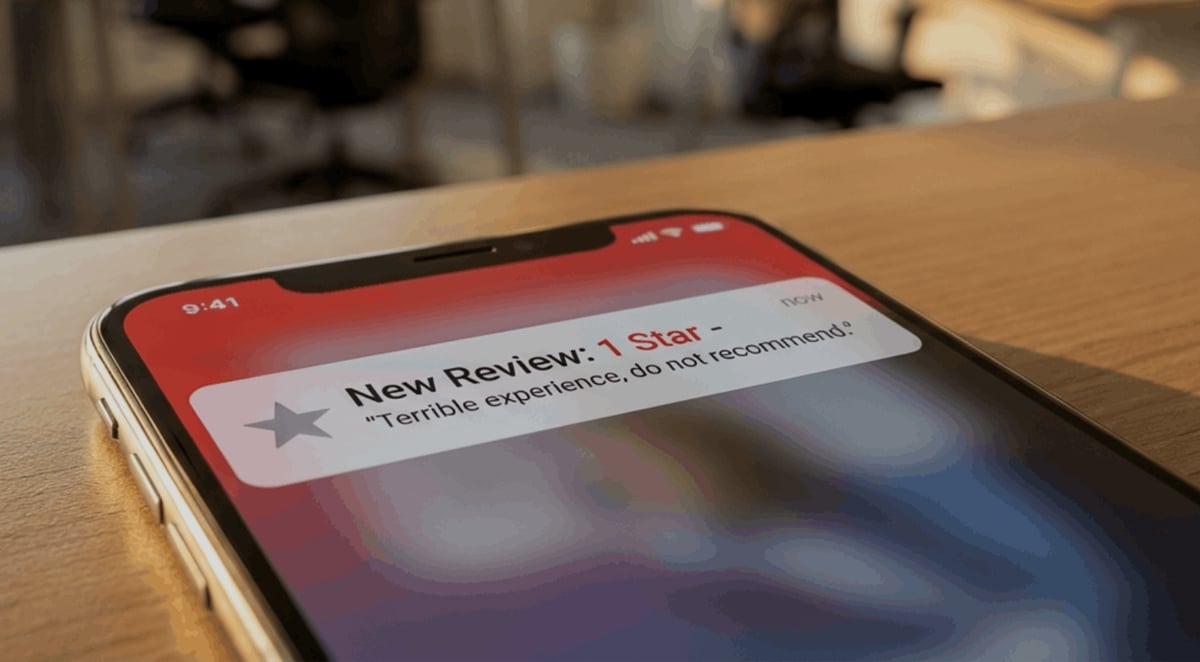
Reputation moves fast. A negative review goes up, a thread picks up traction, an AI summary surfaces outdated information, and by the time your team notices, the narrative has already formed. The brands that stay ahead of this are not just monitoring more. They are monitoring smarter.
Online reputation management software has become a non-negotiable part of the modern brand toolkit. Not because every mention is a crisis, but because the cost of missing the right one at the wrong time is too high to leave to chance.
The challenge in 2026 is not finding a tool that tracks mentions. It is finding one that gives you the right context, fast enough to act on it, across every platform where your brand is being discussed.
Below is a breakdown of the ten best online reputation management software options available right now, what each one does well, where it falls short, and which type of brand it is actually built for.
What Online Reputation Management Software Actually Does
Most brands underestimate how many places their reputation is being shaped at any given moment. Review platforms, social media channels, forums, news sites, directory listings, and increasingly AI-generated search summaries all contribute to how your brand is perceived by someone who has never interacted with you directly.
Online reputation management software pulls all of that activity into one place. Instead of manually checking Google reviews, scanning social mentions, and monitoring directories separately, the right tool surfaces what is happening across all of those channels in real time and helps you make sense of it.
According to research, 93% of people say online reviews influence their purchasing decisions. That stat alone explains why brands can no longer afford to treat reputation monitoring as a passive exercise.
Beyond visibility, the best ORM software does three things well:
- It aggregates: Customer reviews, mentions, and feedback from across major review platforms, industry-specific sites, and social channels are pulled into a centralized review monitoring dashboard so nothing slips through.
- It interprets: Sentiment analysis helps you analyze customer feedback and understand the tone behind what people are saying, not just the review volume. That context is what makes review response faster and more intentional.
- It enables action: The right reputation management platform lets your team manage customer conversations, handle negative feedback, and track reputation trends directly from one place without jumping between tools.
The difference between a brand that manages its reputation well and one that is always playing catch-up often comes down to the quality of the software sitting behind their monitoring process.
What Makes a Reputation Tool Worth Paying For in 2026
With 88% of people trusting online reviews as much as personal recommendations, the stakes for getting this right have never been higher. But not every tool that tracks mentions is worth the subscription. The difference comes down to how useful the data is and how quickly you can act on it.
Here is what separates the tools worth paying for from the ones that just add noise to your dashboard:
- Signal clarity over volume: The right reputation management software surfaces what actually matters without overwhelming your team. Strong filtering is a key feature that separates serious reputation monitoring tools from basic brand monitoring setups.
- Consistent cross-platform coverage: Your brand is being discussed across social media, major review platforms, business listings, and industry-specific sites simultaneously. A tool that misses entire channels gives you an incomplete picture and inconsistent reputation management.
- Real-time data with no meaningful delay: Timing is everything in reputation management. Paid plans on stronger platforms exist precisely because enterprise brands and local service businesses alike need to monitor brand mentions the moment they happen
- Response capabilities built in: The best online reputation management tools go beyond tracking. They include customer messaging, team collaboration tools, review collection, and performance metrics so your team can manage customer engagement, listings management, and automated review generation from one place without switching platforms.
The value of reputation software is not in how much it tracks. It is in how clearly and quickly it helps you respond. As personal brand management companies are already demonstrating, the brands investing in the right tools now are building a compounding advantage that is increasingly difficult to close.
1. Google Alerts

Google Alerts is a free, lightweight tool that tracks brand mentions across the web, including news articles, blog posts, and indexed pages. It’s often used as a starting point for brand reputation management, especially for small businesses that want basic visibility without investing in full platforms.
Instead of pulling data from social media platforms, it focuses on what appears in search engine results. This makes it useful for monitoring how your brand shows up publicly and spotting early signs of negative publicity or unexpected mentions.
Where it stands out:
- Easy way to stay informed without adding another platform to manage
- Works well for tracking specific keywords, competitors, or industry terms
- Low effort to maintain once set up
A potential drawback: Does not capture conversations happening before they appear in search results
Best for: Small businesses or individuals who want passive monitoring without adding complexity
2. Reputation
Reputation is built for businesses that need to manage feedback, listings, and customer experience at scale. It’s commonly used by multi-location brands that rely heavily on online reviews and consistent information across platforms.
It focuses on maintaining a strong brand’s reputation across search results, review sites, and directories, while helping teams keep location data accurate and aligned. This makes it especially relevant for businesses where visibility and trust directly impact foot traffic and conversions.
Where it stands out:
- Designed to handle large volumes of feedback across multiple locations
- Connects reputation data with broader business performance insights
- Strong focus on maintaining consistency across listings and platforms
A potential drawback: More complex and resource-heavy compared to simpler tools
Best for: Enterprise teams or multi-location businesses that need structured, scalable brand reputation management
3. Hootsuite
Hootsuite is primarily a social media management platform that also supports basic monitoring. It’s often used by teams that want to manage social media posts, engagement, and brand activity from one place.
While it’s not a dedicated reputation tool, it helps maintain a consistent social media presence and gives visibility into how audiences interact with your content across platforms. This makes it useful for brands where reputation is closely tied to ongoing social engagement.
Where it stands out:
- Keeps publishing and engagement workflows in one place
- Helps maintain brand consistency across platforms
- Widely used, with strong integrations across social channels
A potential drawback: Monitoring and sentiment capabilities are limited compared to specialized tools
Best for: Teams focused on managing content and engagement alongside basic social media reputation tracking
4. Mention
Mention is a monitoring tool built for tracking brand activity across the web and social channels. It’s commonly used by teams that want quick visibility into online conversations without the complexity of larger platforms.
It focuses on helping brands stay aware of online mentions as they appear, making it easier to keep up with shifts in attention and early signals that could affect a brand’s reputation.
Where it stands out:
- Fast setup with immediate visibility into mentions
- Flexible tracking for brand names, competitors, and industry terms
- Useful for staying aware of conversations beyond owned channels
A potential drawback: Less depth in analytics and long-term reporting compared to more advanced platforms
Best for: Small to mid-sized teams that need straightforward monitoring without a steep learning curve
5. Yext
Yext focuses on managing how your business appears across directories, maps, and search platforms. It’s widely used by brands that need accurate and consistent information across multiple listings.
Because listings often show up in search engine results, they play a direct role in how your brand is perceived. Keeping this information aligned supports better brand visibility and helps maintain a reliable presence across the digital landscape.
Where it stands out:
- Strong control over business information across multiple platforms
- Helps maintain consistency in how your brand appears online
- Supports visibility across search and discovery channels
A potential drawback: Less focused on tracking conversations or feedback in real time
Best for: Businesses that rely on accurate listings to support local visibility and search presence
6. ReviewTrackers
ReviewTrackers is built around collecting and organizing online reviews from multiple platforms. It’s commonly used by brands that rely on customer feedback to understand how their business is performing across locations or services.
Because reviews often influence decisions directly, having a clear view of what customers are saying helps teams stay aligned with expectations and maintain a strong brand’s reputation.
Where it stands out:
- Centralizes feedback from multiple review sites into one view
- Helps identify recurring themes in customer feedback
- Keeps teams aligned on what customers consistently experience
A potential drawback: Limited visibility into broader conversations outside of review platforms
Best for: Businesses that rely heavily on online reviews to guide decisions and improve customer experience
7. Podium
Podium is focused on customer communication, especially for businesses that rely on direct interactions to generate and manage online reviews. It’s commonly used by local and service-based businesses where fast responses and ongoing conversations influence how the brand is perceived.
It centers on turning everyday interactions into feedback, helping businesses stay connected with customers while shaping a more consistent brand’s reputation over time.
Where it stands out:
- Strong focus on direct communication with customers
- Helps turn conversations into positive reviews
- Built for teams that rely on ongoing customer interaction
A potential drawback: Less visibility into broader conversations happening outside direct messaging
Best for: Local businesses and service providers that depend on customer communication to drive feedback and reputation
8. Birdeye
Birdeye is an all-in-one platform designed to manage customer feedback, messaging, and overall brand reputation management from a single system. It’s often used by businesses that want a more unified view of how customers interact with their brand across different touchpoints.
By bringing together feedback and communication, it helps teams maintain a consistent brand image while improving how they engage with both existing customers and new ones.
Where it stands out:
- Combines feedback and communication into one workflow
- Helps maintain a consistent experience across customer touchpoints
- Scales well for businesses managing multiple locations or teams
A potential drawback: Can feel more complex than needed for smaller teams with simpler needs
Best for: Businesses looking for a single platform to manage feedback, communication, and overall brand reputation management
9. Sprout Social
Sprout Social is built for teams that manage both content and engagement across social media platforms. It’s often used by brands where ongoing interaction plays a direct role in shaping their social media reputation.
Instead of treating reputation as a separate function, it ties it closely to daily activity. This makes it easier to maintain a consistent brand’s voice while staying aligned with how audiences respond over time.
Where it stands out:
- Keeps content and engagement closely connected
- Supports consistent communication across channels
- Strong fit for teams focused on ongoing audience interaction
A potential drawback: Less focused on review-heavy environments compared to specialized tools
Best for: Brands that manage reputation through continuous social media presence and engagement
10. Brand24

Brand24 is built for tracking how your brand is being discussed across the web, with a strong focus on real-time visibility. It’s commonly used by teams that need to stay aware of online mentions as they happen and understand shifts in customer sentiment early.
It’s especially useful in fast-moving situations where conversations can escalate quickly, making it easier to stay ahead of potential issues before they affect your brand’s reputation.
Where it stands out:
- Strong focus on real-time awareness
- Helps surface changes in how people talk about your brand
- Useful for staying ahead of emerging conversations
A potential drawback: May require time to get familiar with how data is organized
Best for: Teams that need immediate visibility into conversations and want to stay ahead of changes in perception
Quick Comparison: Best Online Reputation Management Software 2026
Why Speed and Visibility Matter More Than Ever
According to research, 81% of consumers expect a response to their review within a week. But in practice, the brands that wait that long are already behind. The window between when something surfaces and when it starts shaping perception is shrinking.
Here is why speed and visibility have become the deciding factors in reputation management:
- Reputation cycles are shorter: Customer feedback moves across review platforms, social media, and news sites faster than ever. What starts as a single comment can gain traction within hours if it goes unaddressed.
- Issues spread across platforms simultaneously: A negative experience shared on one channel rarely stays there. Without real-time monitoring across all relevant platforms, brands consistently find out about developing issues too late.
- AI summaries amplify whatever is already out there: Google's AI Overview, ChatGPT, and Perplexity pull from reviews, listings, and published content to generate brand summaries. If negative or outdated information is sitting in those sources, it gets surfaced to prospects who may never click through to your website.
- Delayed responses create permanent gaps: A review that goes unanswered for two weeks tells every future reader something about how your brand operates. Response time is a reputation signal in itself.
When visibility is delayed, the narrative moves without you. The right software does not just close that gap. It eliminates it.
Where People Are Forming Opinions About Your Brand
Your reputation is not being formed in one place. It is being shaped simultaneously across multiple channels, often by people who have never interacted with your brand directly. Understanding where those opinions form is the first step to managing them effectively.
Reviews and Rating Platforms
Google, Yelp, Trustpilot, and industry-specific review sites are where first impressions get validated. Reviews on these platforms appear directly in search results, making them one of the most visible and influential signals in the entire decision-making process. A strong rating with consistent responses signals credibility. An ignored review profile signals the opposite.
Social Media and Comments
Google, Yelp, Trustpilot, and industry-specific review sites are where first impressions get validated. Reviews on these platforms appear directly in search results, making them one of the most visible and influential signals in the entire decision-making process. A strong rating with consistent responses signals credibility. An ignored review profile signals the opposite.
Forums and Communities
Reddit, Quora, and industry-specific forums host some of the most honest conversations happening about your brand. These spaces are not controlled by your marketing team and that is exactly why they carry so much weight. A thread on Reddit can rank on page one of a branded search and stay there for years.
Search Results and Content
Articles, press mentions, blog posts, and third-party reviews all contribute to what ranks when someone searches your brand name. This content is often outside your direct control but not outside your influence. Consistent thought leadership, press outreach, and authoritative owned content can shape what dominates page one over time.
AI-Generated Answers
This is the channel most brands are still not accounting for. ChatGPT, Perplexity, and Google's AI Overview are synthesizing information from across all of the above sources and serving it to users who may never click a single link. If the content landscape around your brand is thin, inconsistent, or skewed negative, that is what gets summarized and served as a first impression.
If you are not actively managing your presence across all of these channels, you are not managing your reputation. You are hoping it manages itself.
You’re Not Managing Reputation After the Fact
The brands that struggle most with online reputation are not the ones dealing with the worst crises. They are the ones that waited too long to build a system before one was needed.
The right ORM software does not just help you respond faster. It changes the position you are responding from. Instead of reacting to a narrative that has already formed, you are shaping it in real time, with full visibility across every channel where your brand is being discussed.
In 2026, that visibility is not a competitive advantage. It is the baseline.
The ten tools covered above represent the strongest options available right now across different use cases, team sizes, and reputation challenges. The right one depends entirely on where your biggest gaps are and how quickly you need to close them.
If you want help building a reputation strategy around the right tools and the right approach for your brand, Aikenhouse works with companies on exactly this. Let's talk strategy.
Related ...





Subscribe to our insights


