


Search the site

What Is Online Reputation Management?
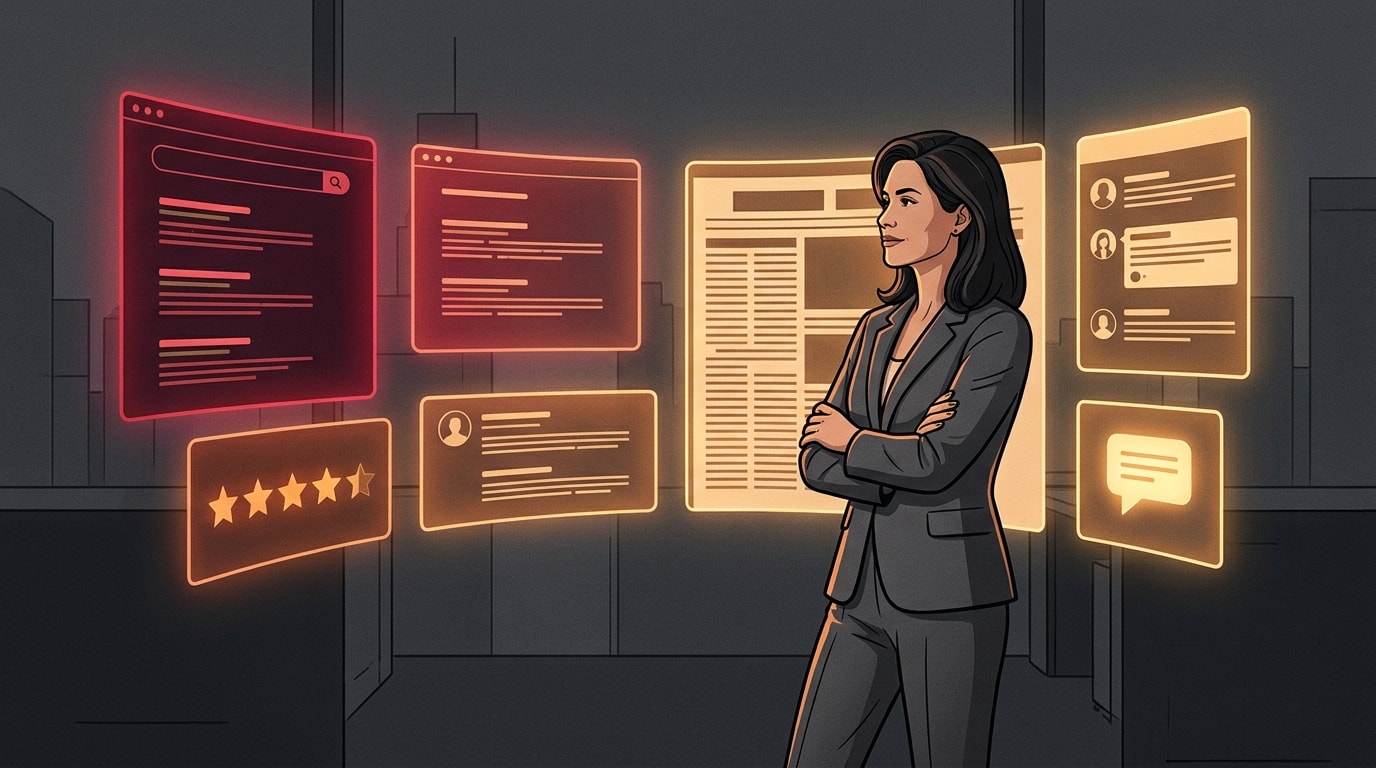
Something made you search this. Maybe a bad review is sitting at the top of your Google profile. Maybe an old article keeps showing up under your name. Or maybe someone asked ChatGPT about your company and the answer made you wince.
Either way, you're about to talk to people who sell "reputation management." Before you do, it helps to know what it actually is, because almost every definition you'll find online was written by a vendor describing whatever they happen to sell.
I've been building companies and doing marketing for over 20 years, and reputation work is a big part of what we see. This is the independent version: what online reputation management really means, where your reputation lives in 2026, how the work is done, what it costs, and what no one can fix for you.
What Online Reputation Management Actually Is
Online reputation management (ORM) is the work of shaping what people find, read and believe when they look up a person or a company online. It covers monitoring, responding to reviews, building positive content, pushing down damaging results and removing content that breaks platform rules or the law.
That's it. ORM isn't a single product. It's a set of tactics aimed at one outcome: when someone researches you, what they find is accurate, current and fair.
For a company, that someone is usually a buyer, an investor or a job candidate. For a person, it's a recruiter, a board, a business partner or a reporter. The research happens quietly. You rarely find out it happened, and you almost never find out what it cost you.
BrightLocal's 2026 survey found that 97% of consumers read reviews for local businesses, and the average consumer checks several review sites before choosing one. Your reputation is being researched constantly, whether or not you're managing it.
Why Online Reputation Matters More Than Ever
Three things changed at once. First, almost every buying decision now starts with a search, whether it's a customer choosing a contractor or a board vetting a CEO. Second, search results last. A news story from 2019 can still rank for your name today. Third, AI tools now summarize all of it into a single answer, and that answer travels.
The result is that a reputation problem rarely announces itself. It shows up as a deal that goes quiet, a candidate who takes another offer, or a partner who suddenly "needs more time." By the time you notice the pattern, the damage has usually been compounding for months.
The 5 Places Your Reputation Lives Now

Ten years ago, ORM mostly meant Google page one. Today there are five places that shape how people see you:
| Where | What people see | Why it matters |
|---|---|---|
| Google page one | Your site, profiles, news, complaint sites, old records | Most people never go past the first page |
| Review sites | Google, Yelp, Glassdoor, Trustpilot, industry sites | Ratings drive local rankings and buying decisions |
| Social media | Posts, comments, mentions, viral moments | Fast-moving and easy to screenshot |
| News and media | Articles, press releases, interviews, legal coverage | High-authority pages that rank for years |
| AI answers | ChatGPT, Perplexity, Gemini, Google AI Overviews | One summary that blends all of the above |
That fifth one is new, and it changes the game. An AI answer doesn't show ten links. It reads them for you and hands the reader one paragraph. If that paragraph mentions an old lawsuit or a cluster of angry reviews, that's the story people walk away with.
Pew Research found that Google users clicked a traditional search result in only 8% of visits when an AI summary appeared, compared with 15% without one. More and more, the summary is the reputation.
We break down how each AI platform builds its answers in Google vs Perplexity vs ChatGPT: How Each One Shapes Your Online Reputation.
How ORM Works: Monitor, Respond, Build, Suppress, Remove
Every ORM program, from a DIY effort to a six-figure agency engagement, is some mix of five activities. Here's what each one realistically does.

1. Monitor
Track what's being said about you across search, reviews, social, news and AI answers. Monitoring doesn't fix anything, but it tells you about problems while they're still small. Alerts for your name, your company and your key executives are the minimum.
2. Respond
Reply to reviews and comments professionally and quickly, especially the negative ones. A calm, specific response often matters more to the next reader than the original complaint.
3. Build
Create and strengthen accurate content you control or influence: your website, leadership bios, LinkedIn, industry profiles, guest articles, podcasts and earned press. This is the slow, compounding work that protects you before anything goes wrong.
4. Suppress
When a negative result can't be removed, push it down by making stronger, more relevant pages rank above it. This works, but it takes months and steady effort.
5. Remove
Get content taken down when it breaks a platform's rules or the law, such as personal contact information, doxxing, fake reviews or content a court has ruled defamatory. Removal is the fastest fix, but it only applies to specific categories. Our guide to removing negative search results from Google explains exactly what qualifies.
Backlinko's analysis of millions of searches found that the number one organic result gets about 27.6% of all clicks, and very few searchers ever click through to page two. That's why pushing a damaging result off page one makes such a big difference.
ORM vs PR vs SEO
| ORM | PR | SEO | |
|---|---|---|---|
| Main goal | Control what people find and believe about you | Earn coverage and shape public narratives | Rank pages for valuable searches |
| Focus | Your name, your brand, your leaders | Media relationships and stories | Keywords and website traffic |
| Typical tools | Monitoring, reviews, suppression, removal | Pitches, press releases, interviews | Content, technical fixes, links |
Good ORM borrows from both. Positive press is one of the strongest suppression assets, and SEO is how that press and your own content rise above the results you don't want.
Online Reputation Management Examples
Here's what ORM looks like in practice, using common situations we see. Details are generalized.
A local service business with a review crash. A burst of one-star reviews after a staffing problem dropped a company from 4.6 to 3.9 stars. The fix wasn't to fight the reviews. It was to answer every one, fix the operational issue, and set up an automatic review request after each completed job. Within a few months, steady new reviews pushed the rating back up.
An executive with an old article. A founder's name still brought up a years-old story about a failed company. It couldn't be removed because it was accurate. Instead, the founder built a personal site, refreshed LinkedIn, published industry articles and did a handful of podcast interviews. Over several months, those pages outranked the old story.
A software company with a wrong AI answer. ChatGPT kept describing a B2B company using an outdated product description and an old pricing model. The company updated its own pages, corrected its listings on major review and directory sites, and earned a few current articles in trade publications. As those sources changed, so did the AI summaries.
ORM for Businesses vs Individuals vs Executives
| Businesses | Individuals | Executives | |
|---|---|---|---|
| Main concern | Reviews, complaints, press, AI answers about the brand | Old articles, mugshots, personal info, social posts | Press coverage, leadership controversies, board and investor perception |
| Typical tactics | Review management, monitoring, content, PR | Removal requests, profile building, suppression | Thought leadership, media placements, suppression, AI visibility |
| Who's researching | Buyers, partners, job candidates | Employers, landlords, dates | Investors, boards, journalists, recruiters |
| Good place to start | ORM software | ORM firms for individuals | ORM firms for executives |
The tactics overlap, but the stakes don't. A business can lose deals it never hears about. An individual can lose a job offer. An executive can lose a board seat or a funding round. The strategy should match what's actually at risk.
What ORM Costs
Prices vary enormously because the work varies enormously. As a rough guide:
- DIY and free tools: free, plus your time. Google's own removal tools and alerts cost nothing.
- Review management software: often under $100 to a few hundred dollars per location per month.
- Individual reputation repair: commonly $1,000 to $5,000 per month.
- Executive and business programs: often $5,000 to $25,000 or more per month.
We break down every tier, from review software to full suppression campaigns, in How Much Does Reputation Management Cost in 2026?
What ORM Can't Fix
This is the section no vendor will write for you.
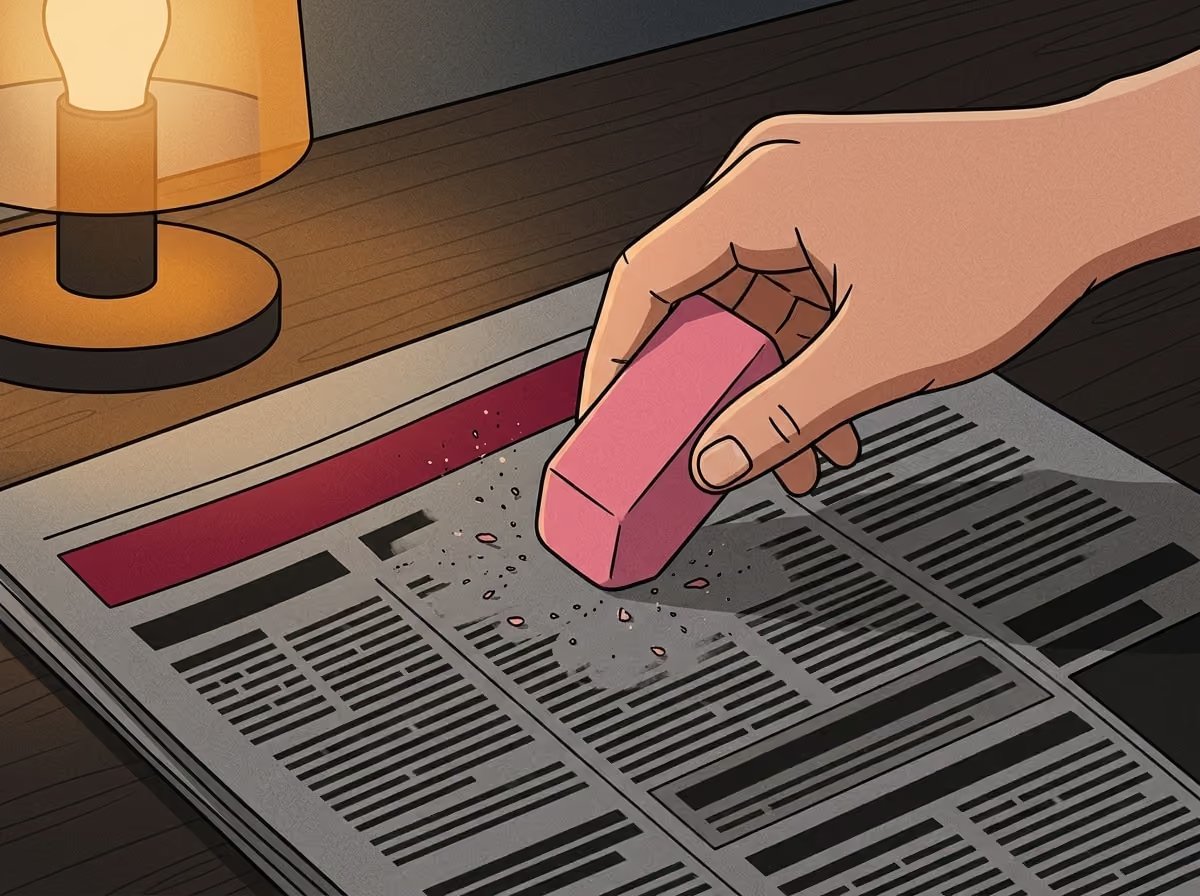
- It can't delete the truth. Accurate news coverage, public court records and honest reviews almost never disappear. They can be outranked. They usually can't be erased.
- It can't fix a real problem. If customers keep complaining about the same thing, the fix is operational, not reputational. ORM will just keep losing the same fight.
- It can't control AI answers directly. No one can edit what ChatGPT says. You can only change the sources it reads, which takes time.
- It can't work overnight. Suppression usually takes three to twelve months. Anyone promising 30 days is overselling.
- It can't survive being ignored. Reputation isn't a one-time cleanup. Without ongoing monitoring and content, problems come back.
Red flags that mean you're being sold snake oil
- Guaranteed permanent removal of accurate news or court records
- Flat-fee "deletion" with full payment upfront
- Offers to post fake reviews or flood a profile with positive ones
- Fake legal notices or threats sent to publishers on your behalf
- No clear explanation of tactics, just a "proprietary method"
- No mention of AI answers at all in 2026
Fake reviews aren't just a bad idea. The FTC's rule on consumer reviews bans creating, buying or selling fake reviews, including AI-generated ones, and lets the agency seek civil penalties against knowing violators.
Most ORM is review management with a markup. That's useful, but it's not the real fight anymore. The real reputation fight in 2026 is what ChatGPT says when someone asks about you, and almost no ORM vendor even checks it. Before you hire anyone, ask them to show you what AI engines say about you today. If they've never looked, keep shopping.
DIY vs Software vs Agency: How to Decide
| Your situation | Best fit | Why |
|---|---|---|
| A few bad reviews, no major content problem | DIY or review software | Respond well and generate more reviews; no agency needed |
| Many locations, steady review volume | Review management software | Scales monitoring and responses efficiently |
| Personal info or policy-violating content | DIY first | Google's free removal tools often solve it |
| A damaging article or record on page one | Agency | Suppression needs content, SEO and PR at scale |
| Executive or crisis situation | Specialist agency | Needs judgment, speed and media experience |
| AI answers describe you inaccurately | Agency with AI search experience | Requires changing the sources AI engines trust |
If the AI side is your concern, our guide to how to rank in ChatGPT explains how those answers get built and what influences them.
Questions to Ask Any ORM Provider
- What exactly will you do in the first 90 days, and how will we measure it?
- Which of our results can realistically be removed, and which will need to be outranked?
- Will you check and track what ChatGPT, Perplexity and Google's AI features say about us?
- Who will do the work, and how often will we hear from them?
- What happens to the content and profiles you create if we stop working together?
- Can you show results from a situation similar to ours?
A good provider will answer every one of these clearly. If you hear "it's proprietary" more than once, that's your answer.
How to Start This Week
- Search yourself. Google your name or company in a private browser window. Screenshot page one.
- Ask the AI engines. Ask ChatGPT, Perplexity and Gemini what they know about you. Save the answers.
- Check your reviews. Look at your ratings and the most recent negative reviews on every major platform.
- Sort the problems. Separate what can be removed, what needs a response, and what needs to be outranked.
- Fix the cheap things first. Respond to reviews, update profiles, and file any removal requests that qualify.
That one afternoon tells you whether you need software, an agency, or just a better routine.
FAQ
What is online reputation management in simple terms?
Online reputation management is the work of shaping what people find when they look up a person or company online. It includes monitoring mentions, responding to reviews, creating positive content, pushing down negative search results and removing content that breaks platform rules or the law, so that what people find is accurate and fair.
Does online reputation management actually work?
Yes, when expectations are realistic. Monitoring, review responses and content building reliably improve how a person or company appears over time, and suppression can push negative results off page one in three to twelve months. ORM rarely erases accurate news or court records, and it cannot fix underlying business problems that keep generating complaints.
Can you remove negative results from Google?
Sometimes. Google removes results such as personal contact information, doxxing, non-consensual explicit images, sensitive financial or ID numbers, content already deleted from the original site and content with a valid legal basis like a court order. Accurate news and honest reviews are rarely removed, so they usually have to be outranked instead.
How long does online reputation management take?
Quick wins like responding to reviews and filing qualifying removal requests can show results in days or weeks. Suppressing a negative article or complaint site typically takes three to twelve months, and changing how AI tools describe you can take similar time. Reputation management works best as an ongoing practice rather than a one-time project.
Is online reputation management the same as PR?
No, but they overlap. Public relations focuses on earning media coverage and shaping public narratives, often around announcements or crises. Online reputation management focuses on what people find when they search, including reviews, search results, profiles and AI answers. Many ORM programs use PR tactics, because positive press is one of the strongest ways to improve search results.
How do AI chatbots affect my online reputation?
AI chatbots like ChatGPT, Perplexity and Google's AI Overviews summarize what they find about you from news, reviews, forums and websites into a single answer. Many people now read that summary instead of clicking any links, so it can shape first impressions more than page one of Google. Improving the sources those tools rely on is now part of reputation management.
One Last Thing
Your reputation is being researched every day by people you'll never meet. You can't control every result or every AI answer, but you can control what you build, how you respond and how quickly you notice problems. Start with an honest look at what's out there, fix the cheap things first, and only pay for help that's honest about what it can and can't do.
If you want a second opinion on what people and AI engines are seeing about you, reach out. That conversation is always free at Aiken House.
Related ...






Subscribe to our insights


